8 Steps to Create the Best Blog for Your Restaurant
You have a good restaurant; you should have a good blog. It will help your current clients learn and enjoy

You have a good restaurant; you should have a good blog. It will help your current clients learn and enjoy all the recipes on your menu and also help new people discover your restaurant.
Creating a good blog for your restaurant and adding valuable content in a regular way will help your website rank well on search engines like Google and Bing. Also, it will allow you to connect with your target audience and show what makes your restaurant unique.
So, how do you create the best blog for your restaurant? Let’s see!
Define Your Blog’s Purpose
Before starting, ask yourself: What’s the main goal of my restaurant’s blog? Having a clear purpose will help you stay focused and create relevant content.
Also, it’s utterly important that you identify your target audience, foodies, locals, tourists, in order to tailor your content to them.
Showcase Your Menu and Recipes
One of the most effective ways to create engaging content for a restaurant blog is by describing your dishes and ingredients.
You can focus on a specific dish or drink from your menu, share the stories behind your food, and describe what makes your dishes special. Also, sharing some of your restaurant’s popular recipes alongside some tips on how to recreate your dishes at home can engage readers and keep them coming back for more.
Use High-Quality Visuals
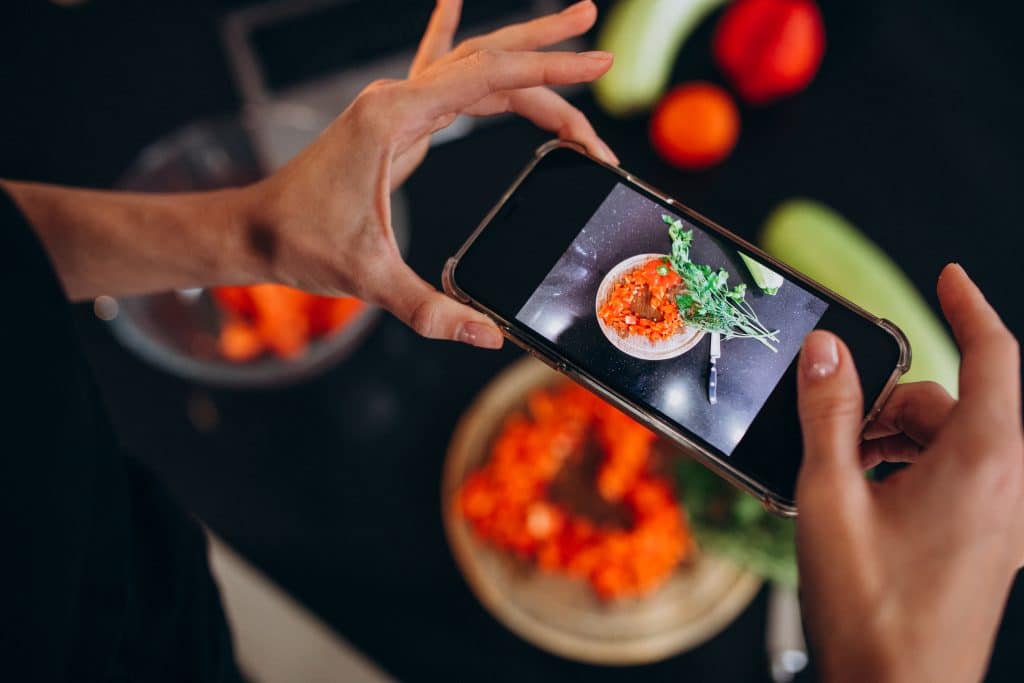
A picture is worth a thousand words, especially in the food industry, High-quality images of your dishes, kitchen processes, and even the restaurant’s ambiance can make your blog posts more attractive.
Place your most striking photos and/or videos at the top of the blog page, and include additional relevant images throughout the post to enhance the content.
If possible, invest in good photography or hire a professional to showcase your food in the best light.
Ensure an Effective Readability
Well-written, readable content lets the reader quickly grasp the information without being overwhelmed by complex sentences or unfamiliar words. Hence, ask yourself how easy and enjoyable your text is for the reader to understand.
Take into account that shorter and simpler sentences are easier to read than long, complex ones. Use easy-to-understand words instead of technical or difficult language, and write in the active voice, when possible, to make your writing more accessible. Also, bear in mind that short paragraphs and clear headings help break up the text, which makes it easier to scan; you can use bullet points to better structure some ideas.
Thus, your content will be more user-friendly and will keep the reader’s attention longer (which is especially important for online content, where readers often skim rather than read thoroughly).
Engage with Your Readers
Encourage comments and feedback on your blog posts by asking your readers what they want to see next or their thoughts on a dish. Also, you can ask your visitors to subscribe to a newsletter, share the article, or even visit your restaurant or make a reservation.
These are examples of calls to action, prompts that encourage readers to take specific actions after reading your content. A call to action is very important, since it provides a clear direction that helps guide readers toward making decisions that benefit your business.
Post Consistently
Consistency is key when it comes to blogging, so it’s a good idea to create a content calendar to ensure regular posts that will keep your audience engaged.
Use Link Building
Link building for a blog is to acquire hyperlinks from other websites that point back to your blog.
These hyperlinks (known as backlinks) help search engines recognize the authority and relevance of your blog. This is because search engines like Google consider backlinks as votes of confidence for your blog, when reputable sites link to your content, it boosts your blog’s credibility and establishes you as an expert in your field (and this is particularly important for restaurant blogs to build trust with potential customers!). The more quality backlinks you have, the more likely search engines will rank your blog higher in search results.
Besides, backlinks bring direct traffic from other websites, when users click on links from related sites, it can lead to new visitors discovering your blog. Your brand gains exposure in different communities or audiences, which can help build brand awareness and recognition over time.
Optimize for SEO
Your blog should be optimized for search engines to help you attract more readers (and, thus, more potential customers) organically.
So, use relevant keywords related to your restaurant and/or the theme of the post (for instance, “best sushi in Atlanta”) to rank higher on Google searches. Scatter these keywords throughout your post and also use them in titles, subtitles, the URL, meta descriptions, and alt texts. Take into account that you should optimize for desktop as well as for mobile.
Boost Your Brand and Engage Your Customers
As you can see, a blog is an essential tool for your restaurant’s digital marketing strategy, but you have to work on it with a clear focus, compelling content, and regular updates.
Thus, it can serve as an extension of your restaurant’s brand and help you attract and engage with both loyal and new customers.
Need help? Resto Experience is here for you!
Share this article
Keep reading
More from the journal.

Growth Marketing
·3 min read
Marketing System for Restaurants: The Resto Experience Approach
At Resto Experience, restaurant growth is not treated as a collection of disconnected tactics, it is built as a structured ecosystem.

Marketing digital
·3 min read
Why Most Restaurant Marketing Strategies Fail (and What Actually Works)
Most restaurant owners don’t have a marketing problem, they have a strategy problem. It’s common to see restaurants investing in

Marketing digital
·3 min read
Restaurant Marketing Agency: What to Look for and Why It Matters
Running a restaurant is already complex. Between staffing, inventory, guest experience, and margins, there is very little room for distraction.